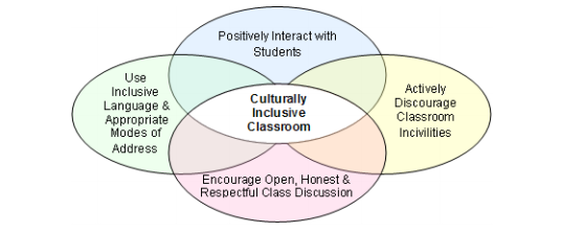
Free Inquiry #6- Teaching Styles & Cultural and Inclusive Environments
Teaching styles & cultural and inclusive environments
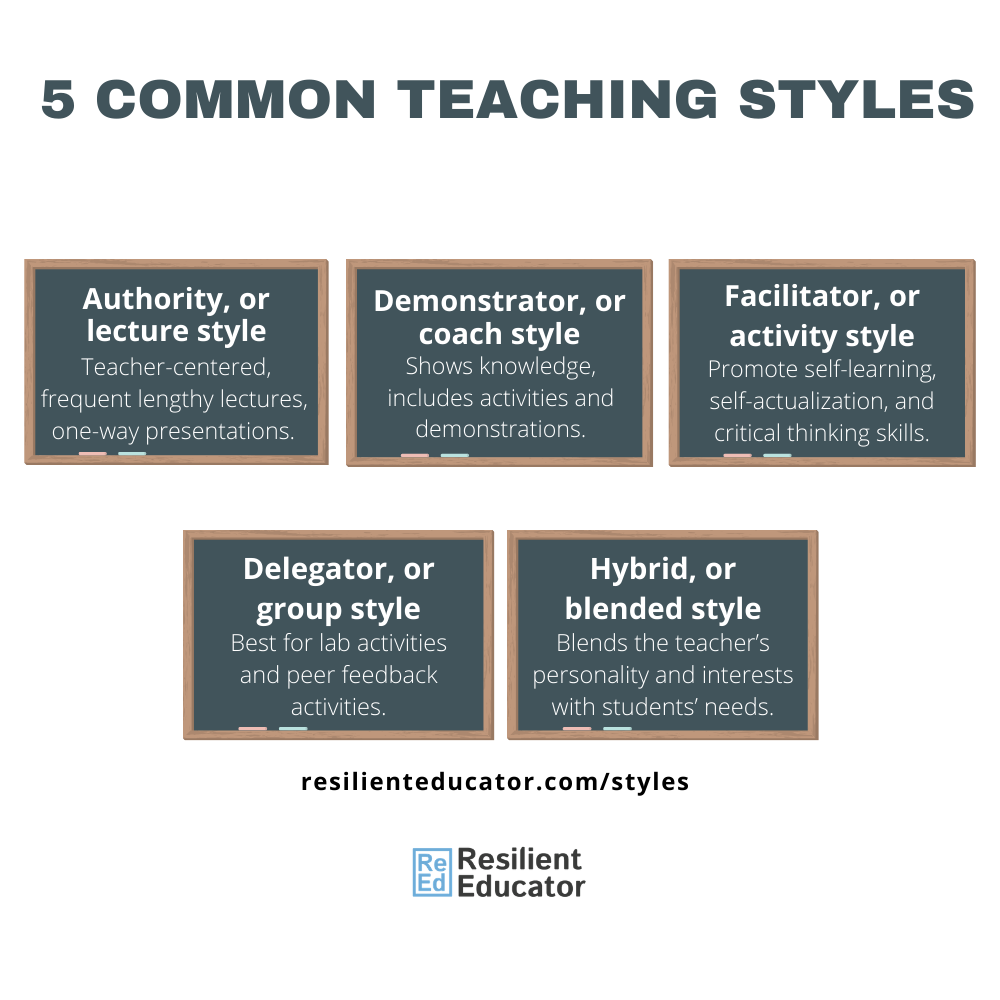
Different teaching styles affect how students are engaged with lessons, understand concepts, and develop skills. Depending on the classroom, the teaching styles might blend several styles depending on the subject, activity, and student needs. Different teaching styles are:
| Teaching Style | Description / Key Features | Effect on Learning |
|---|---|---|
| Authoritative (Structured) | Teacher sets clear rules, provides guidance, and maintains order while also being supportive and fair. | Creates a safe, organized environment; students feel secure, focused, and motivated to meet expectations. |
| Facilitative (Student-Centered) | Teacher acts as a guide or facilitator, encouraging students to explore, question, and collaborate. | Builds creativity, independence, and critical thinking; students take active roles in learning. |
| Demonstrator (Coaching / Modeling) | Teacher shows examples, explains processes, and supports students as they practice new skills. | Helps students understand complex tasks through modeling; strengthens practical and visual learning. |
| Delegator (Inquiry-Based / Independent) | Teacher assigns responsibility to students for projects, research, or self-directed tasks. | Promotes problem-solving, self-motivation, and ownership of learning; encourages curiosity and initiative. |
| Hybrid (Blended) | Combines different teaching styles based on the subject, activity, or students’ needs. | Provides balance and flexibility; supports diverse learning styles and keeps lessons engaging. |
The different types of teaching styles can affect student motivation, and when teaching, taking into consideration what styles match the students’ learning preferences, they become more engaged and motivated.
- If lessons are too rigid, students might feel bored or afraid to make mistakes.
- If lessons are too unstructured, they might feel lost or unsure what’s expected.
- A good teaching style finds a balance, giving structure and clarity while also allowing creativity and independence.
When teachers are interactive with varied methods such as discussions, hands-on activities, or technology, this can make learning more enjoyable and meaningful.
Teaching styles can influence understanding and retention, with the way information is presented helping determine how well students understand it.
- Visual learners benefit from diagrams, videos, and charts.
- Auditory learners do better with discussions and explanations.
- Kinesthetic learners learn best through movement and hands-on tasks.
Teachers who adapt their teaching styles to include multiple learning models help students succeed when learning.
Using different teaching styles can help shape the classroom climate and also set the emotional tone.
- A warm, encouraging approach builds trust and confidence.
- A harsh or overly strict style can cause fear, anxiety, or disengagement.
- A collaborative style fosters a sense of community and respect.
Teaching styles don’t just affect the learning outcomes between students but also affect how students feel about school and themselves as learners in the classroom.
Overall, different teaching styles are important because they determine how effectively students understand and retain information, influence their motivation, confidence, and participation. But also helps shape the classroom’s emotional and social climate, but also helps students develop lifelong learning habits and skills. The teachers will adjust their teaching style to meet all their students’ needs and create a classroom where every learner can grow, feel valued, and succeed.
_____________________________________________________________________________________
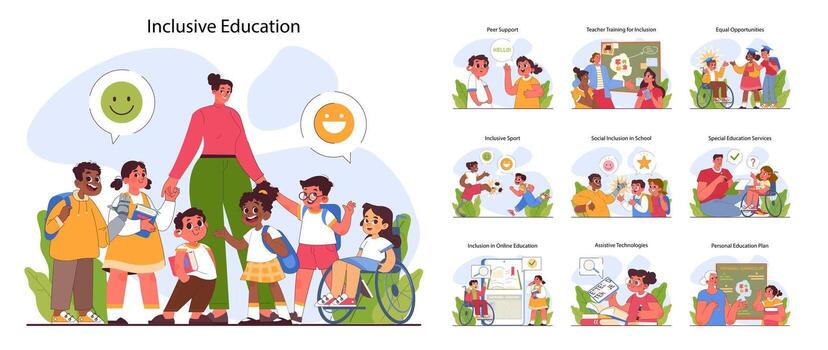
When having a culturally inclusive classroom, it recognizes and respects students’ diverse backgrounds, such as culture, language, religion, ability, gender, and family structure. The classroom is a space where:
- Students see their identities reflected in the curriculum and classroom displays.
- Everyone feels safe to share ideas and express who they are.
- Differences are viewed as strengths that enrich learning.
Inclusion is for every student regardless of their background, ability, or need, and every student should feel that they have an equal opportunity to participate and succeed.
This is important because a culturally inclusive environment has impacts in different, powerful ways:
| Reason | Why It Matters |
|---|---|
| Sense of Belonging | When students feel accepted and represented, they are more motivated and confident to learn. |
| Improved Academic Outcomes | Students who see their culture and experiences valued in class are more engaged and perform better. |
| Reduces Bias and Stereotypes | Learning about different perspectives helps students become open-minded, respectful, and empathetic. |
| Encourages Collaboration | Diverse classrooms foster teamwork, creativity, and problem-solving through multiple viewpoints. |
| Supports Equity | Ensures that all students — including those with disabilities or language barriers — have the tools and support they need to succeed. |
How teacher can create an inclusive classroom, here are some pratical ways that educators can build inclusivity and cultural respect:
| Strategy | Description / Example |
|---|---|
| Use Diverse Teaching Materials | Include books, images, and examples that represent different cultures, genders, and abilities. |
| Respect Languages and Identities | Encourage students to share words or stories from their home languages; use students’ chosen names and pronouns. |
| Celebrate Cultural Events | Recognize holidays and traditions from various cultures throughout the year. |
| Adapt Lessons for Accessibility | Provide learning supports — such as visual aids, captions, or flexible seating — to include all learners. |
| Encourage Open Discussion | Create safe spaces to discuss differences, fairness, and respect. |
| Reflect as a Teacher | Be aware of personal biases and continually learn about cultural awareness and equity. |
Overall, a classroom that is culturally inclusive helps students build self-esteem and cultural pride, but also helps develop empathy, global awareness, and respect for others. Students work better in diverse communities, and it helps them prepare for the real world. A culturally inclusive classroom is not just fair, it’s transformative. When students feel seen, respected, and included, they don’t just learn better; they grow into compassionate, confident, and understanding individuals.