SD5 Design Lab
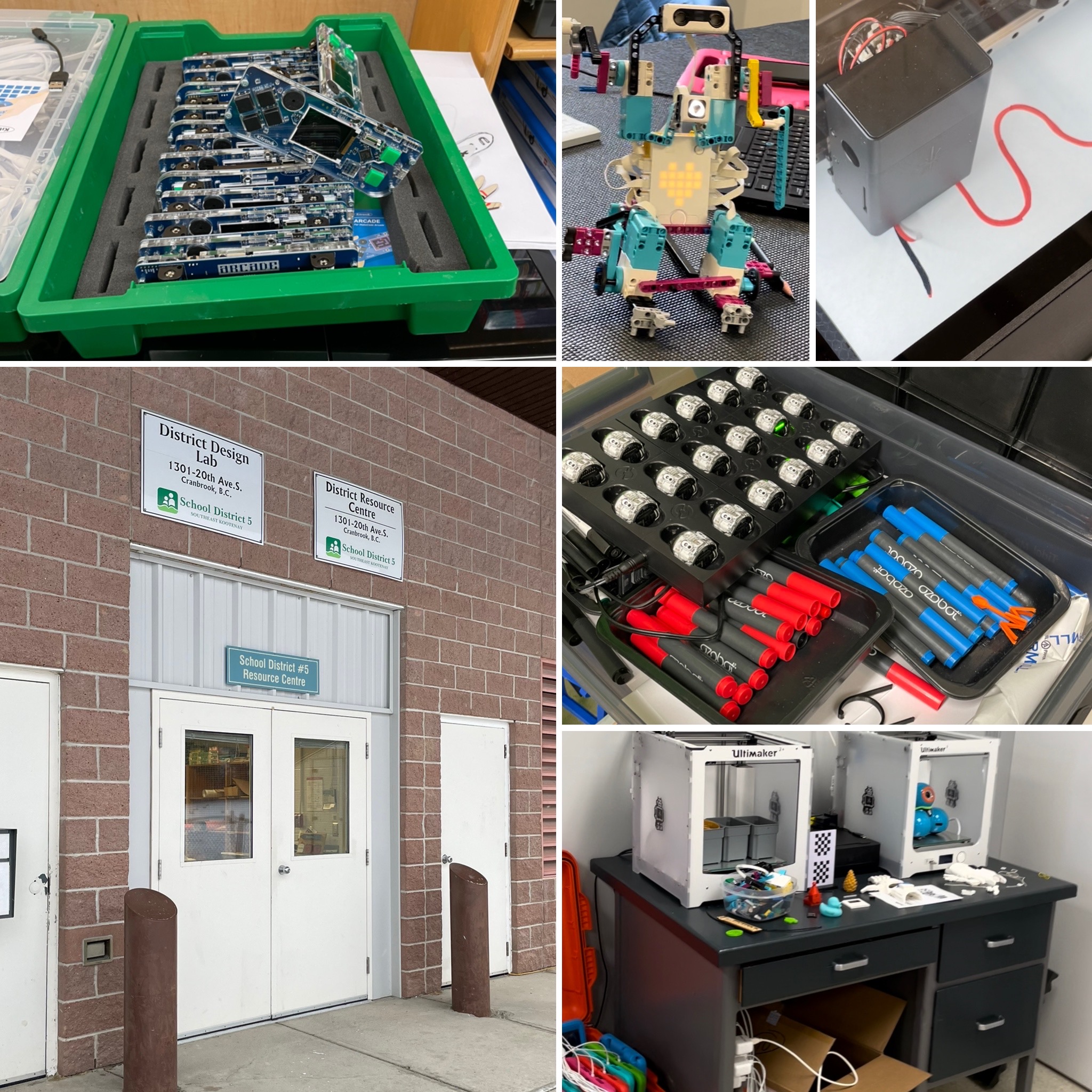
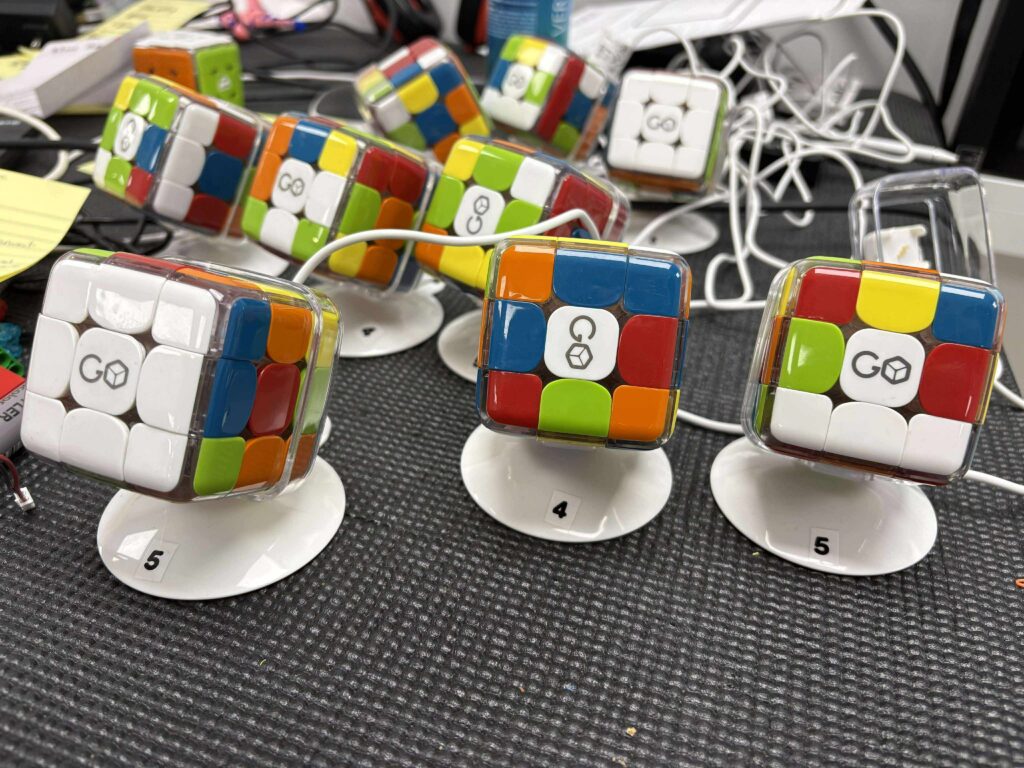
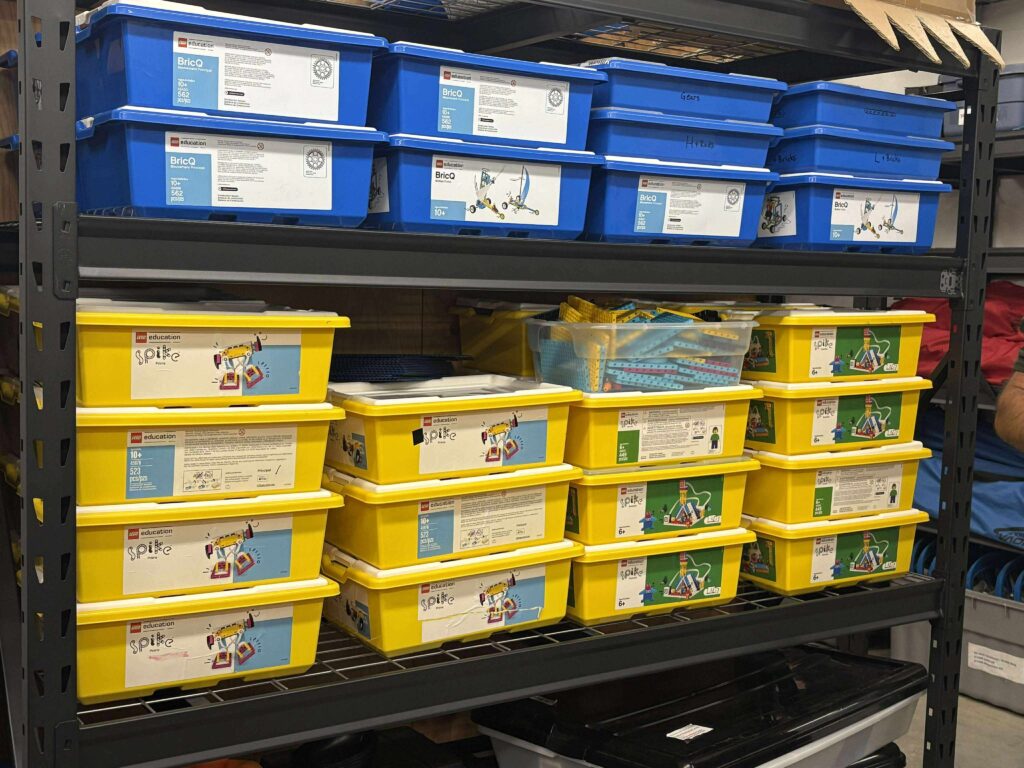
The SD5 Design lab is located in the basement of the Kootenay Orchards School, where classes can go to participate in activities that explore transformative learning. The Design Lab has many resources that are made available to schools for teachers to use when they request them. The resources include LEGO building kits for coding, VR sets, robotics, Rubik’s cube, 3D printers, Cricut, button making, and much more.
What stood out to me was all the fun things in there and being hands-on for this class. I never knew that there were resources like this for the whole district because in Grand Forks, some of the resources just travel to the schools, but we don’t have 3D printers for the elementary schools, only the high school. We do have Sphreo’s that are at one elementary school and the coding LEGO sets, so getting to see the different resources was very exciting.
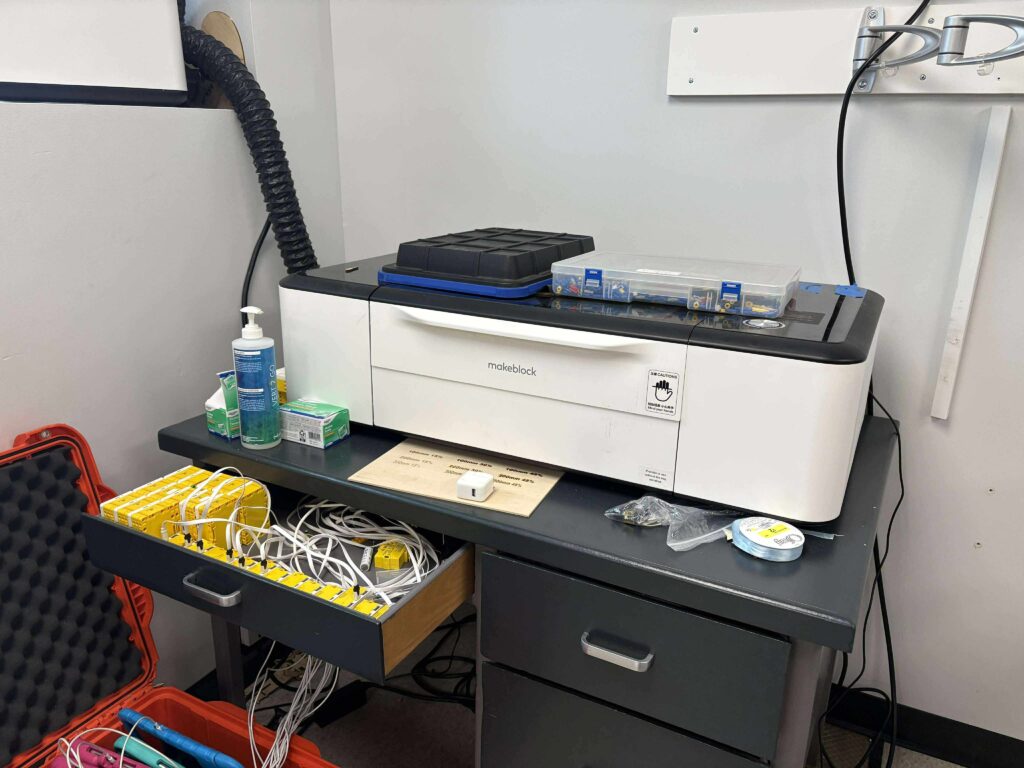
Getting to go into the design lab, we were able to use some of the resources, such as using the Cricut to make designs for the innovation hour that is happening. Since we made these designs, we also got to make buttons with the button maker, which I really enjoyed. We also got to use the coding watches that track your movements and then provide a design on the screen. With these watches, we would try to figure out what movements correspond to the picture.
How does it fit in with ‘Innovation in Education?
How the design lab fits into Innovation in Education is by promoting inquiry-driven, student-centered learning, with a shift from teacher-directed lessons to student-driven exploration. The design lab is a space where students are free to ask questions, identify real problems, plan, design, prototype, and iterate their own designs.
It also encourages creativity, experimentation, and risk-taking, and in this environment, students are able to try ideas, make mistakes, and revise their thinking. The design lab makes experimentation safe and normal, which is important when trying to develop flexible, adaptive thinkers.
The use of technology integrates low-tech, high-tech, and no-tech; the use of innovation in the new generation isn’t all about digitization. tech; it’s about using the right tool for the right purpose. The SD5 design lab includes the use of coding tools, robotics, hands-on building, art, and design resources. This helps support innovation by blending multiple ways of thinking, such as tactile, visual, digital, and collaborative.
When using the design lab, it corresponds with the BC curriculum with the core competencies, and innovation builds on specific learning outcomes. This includes critical thinking, creative thinking, communication, and collaboration.
The design lab also aligns with innovation frameworks such as design thinking, STEM, and ADST (applied design, skills, and technologies). The lab directly supports maker education, STEM pedagogy, design thinking cycle (empathize, define, ideate, prototype, and test), and ADST curriculum. These frameworks are widely recognized as pillars of educational innovation.
How to incorporate Innovation in the classroom
How I would use this space with a class is by taking my students to the design lab to explore their thinking with the different resources. But also seeing if we could bring the resources into the classroom to do coding with the Legos.
A project that really stood out to me was building and constructing cardboard cutouts and using reusable screws. This idea would use critical thinking and coming up with an idea and a plan on how to build the students’ ideas. but also using the Cricut for doing art projects, so students can create a design on the iPads and the Cricut can cut it out and make it into anything they choose, such as cards, buttons, and anything else they would want to make them into.